Design Systems

As an early pioneer of design system, I believe one of the most important tools we can have is a shared language that empowers both design and engineering.

My approach centers on high-impact efficiency: designing and building styles, micro-interactions, responsiveness, accessibility,  and core logic into each component. By "absorbing the effort" at the system level, we save thousands of downstream hours of design, development, and QA, allowing teams to focus on solving complex user problems.

“The easiest experience to master
are the familiar ones”


Design Systems - Primary Principal
By leveraging existing mental models and proven design patterns, we create intuitive flows that feel like second nature.
Practical Evidence

A case of a design system  
that delivered phenomenal results

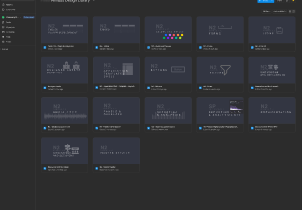
Nimbus Design System
Component Size
980+
Unique Components
5,800+
Variants and
Component Properties
1,700+
Variables
Design Reach
1,087,000
Applied Instances
Nimbus Component Library
Adoption Rate
98.8%
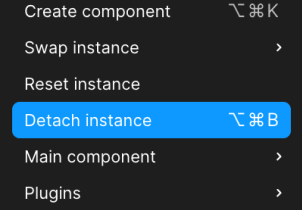
Components Remained Attached
Figma Component Detach Rate
Production Increase
5X - 10X
Production Increase
Design Systems - Case Study

Front-End Acceleration

I hired and managed a dedicated UI development team to align React Storybook with Figma. This cross-functional move accelerated production speed by 5X
Design Systems - Case Study
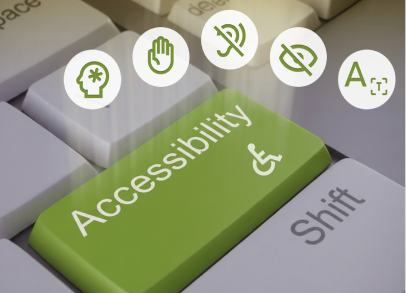
98.8% WCAG
Accessibility
By embedding AA standards into our components, we made accessibility the default and eliminated the need for repetitive, manual accessibility coding.
Design Systems - Case Study
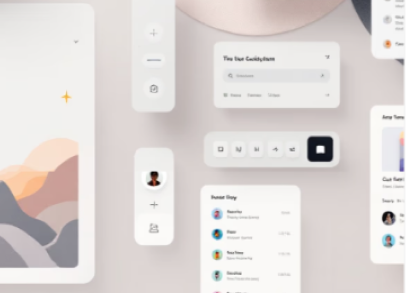
Global Synchronization
We synced styles, logic, and micro-interactions across the product suite, ensuring total consistency through a single point of update.
My Place In Design System History
Architecting the culture
of design at scale

I have been refining the art of the design system for the better part of two decades. Before Figma or Sketch existed, I was hacking Macromedia Fireworks application files to do what modern tools do natively today. In 2008, I developed the first known method for sharing symbols across a distributed team by bypassing local application files. This wasn't just a technical workaround; it was the birth of the collaborative, cloud-sync logic that defines the industry today.

Influencing the industry

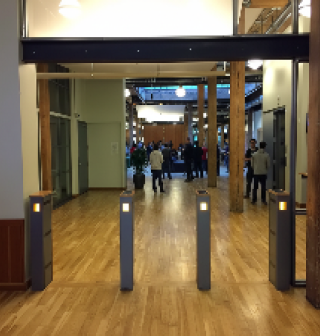
I delivered a landmark session at Adobe, evangelizing "Design Patterns" as a core method to improve UX.

Foundations of IBMs’ Carbon DS

Post-IBM’s DemandTec acquisition, I pitched our library to leadership. They adopted it, forming the foundation for what became IBM’s Carbon Design System.