Applied Leadership
My thoughts, philosophies, and methods on navigating the intersection of human potential, strategic craft, and organizational velocity. Here is my leadership approach to working with teams, individual designers, and with each other.

Discover, learn, and share together
Discover, learn and share. One way we can improve our entire team is to create an environment that we continually learn from each other.

Collaboration
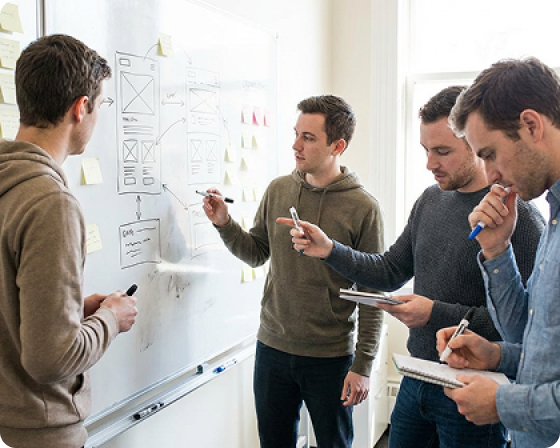
Designing is a Team Sport; We move faster by thinking and working together. True support stems from collective ownership, ensuring every voice strengthens the final product, and every challenge becomes a shared opportunity for understanding and growth.
Inclusion
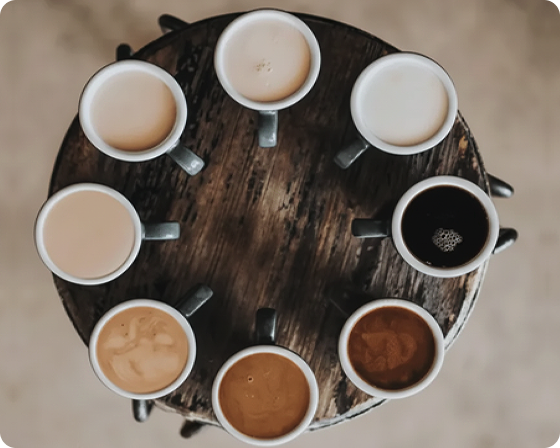
The best ideas come from many experiences, backgrounds, ideas, and perspectives; for this reason, it makes perfect sense to create a culture of inclusion in our process.
Case and point, designers often focus on what tasks are expected of the users, while developers often focus on what tasks the machine can perform. Taking ideas from both of these perspectives allows us to optimize for the ideal Human Computer Interaction.
.png)
Creative experimentation
It is essential to provide safe opportunities to experiment and to stretch the boundaries of what is expected. People need the freedom to try, and even fail. Getting it wrong happens; It is not a problem as long as we learn and gain insights from it.
Personalization
There are many personality types and traits, so it makes sense to personalize each employee's experience. Appreciate what each person brings to team.
.png)
.png)
Innovation
Innovation happens when individuals or teams learn to capture creative thoughts, and foster these new ideas while continualy iterating, learning, and improving.
“The number one role of a designer is effective communication”
Communication
A designer’s greatest challenge, and responsibility is to be an effective communicator. Positioned at the intersection of product management, engineering, and the customer, our job is to listen carefully, synthesize information, and present ideas with clarity.

Immersing ourselves in the problem to transform diverse feedback into genuine empathy and insight.

Ensure everyone is moving toward the same goal, giving the team clear direction.

Presenting our designs is our primary tool for communicating how collective solutions meet validated problems.


Individual expertise is powerful, but collective intelligence is unstoppable.

What is a design hackery?
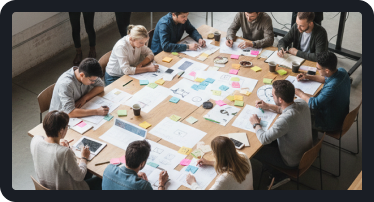
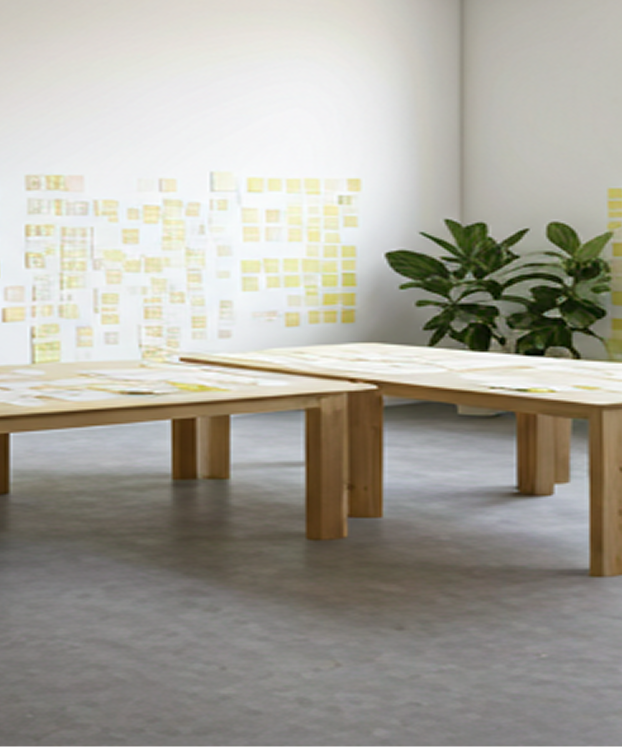
I created a high-trust environment where my teams can actually breathe and grow without the pressure of looming deadlines. It’s a dedicated sanctuary for the team to step away from the "shipping" mindset and lean into curiosity.
This hands on approach is what I call Design Hackery.
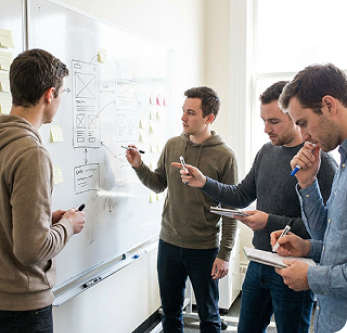
Safe grounds to share, experiment, fail, and learn
Try new concepts and ideas
Push boundaries and test what might work. We create space where taking risks leads to breakthroughs, not punishment.
Stretch beyond the expected
Innovation mostly happen after designing the obvious. We collectively push while encouraging each other to try more ideas.


Perspective
It doesn't matter if you're an intern or a director; your background gives you a perspective that can help us all grow.
Managing the process
Keeping it all together with full transparency.

Organizing it all
Project Organization and Project Management
I’ve streamlined my custom Notion workflows to protect the team’s creative time while providing the infrastructure to manage up and out effectively. By maintaining this single source of truth, I can remain focused on high-level strategy and alignment while the team executes, ensuring our impact is both visible and consistently mapped to organizational goals.
Managing Up
Ensuring executives are in the loop.
I bridge the gap between design execution and corporate strategy by maintaining a tight feedback loop with executive leadership. By translating UX milestones into business KPIs and speaking the language of leadership, I ensure design initiatives directly support the company’s North Star. Through proactive engagement and surfacing challenges early, I build the trust necessary to keep our product vision aligned with shifting market objectives and ensure design has a permanent seat at the strategic table.