Design Process
It has been my commitment to clarity, inclusion and solving the right problems. This approach bridges rigorous user research with a servant-leader mindset to build products that feel as good as they look. Explore how decades of intuition and a collaborative spirit have transformed complex challenges into seamless experiences. Here are some of my thoughts, philosophies, methods, techniques, and exercises.

User Research
Great designs start with a thorough understanding of what problems we are trying to solve, who we are solving them for, and most importantly, why.
1
The 5 why’s
One of the most effective user interview methods I teach and practice is the “five whys.” This interviewing method is used to extract a deeper understanding of our users’ needs and goals. This crucial technique helps us get past the superficial feature ask.
2
Needs Gathering
Collaborative Needs Gathering
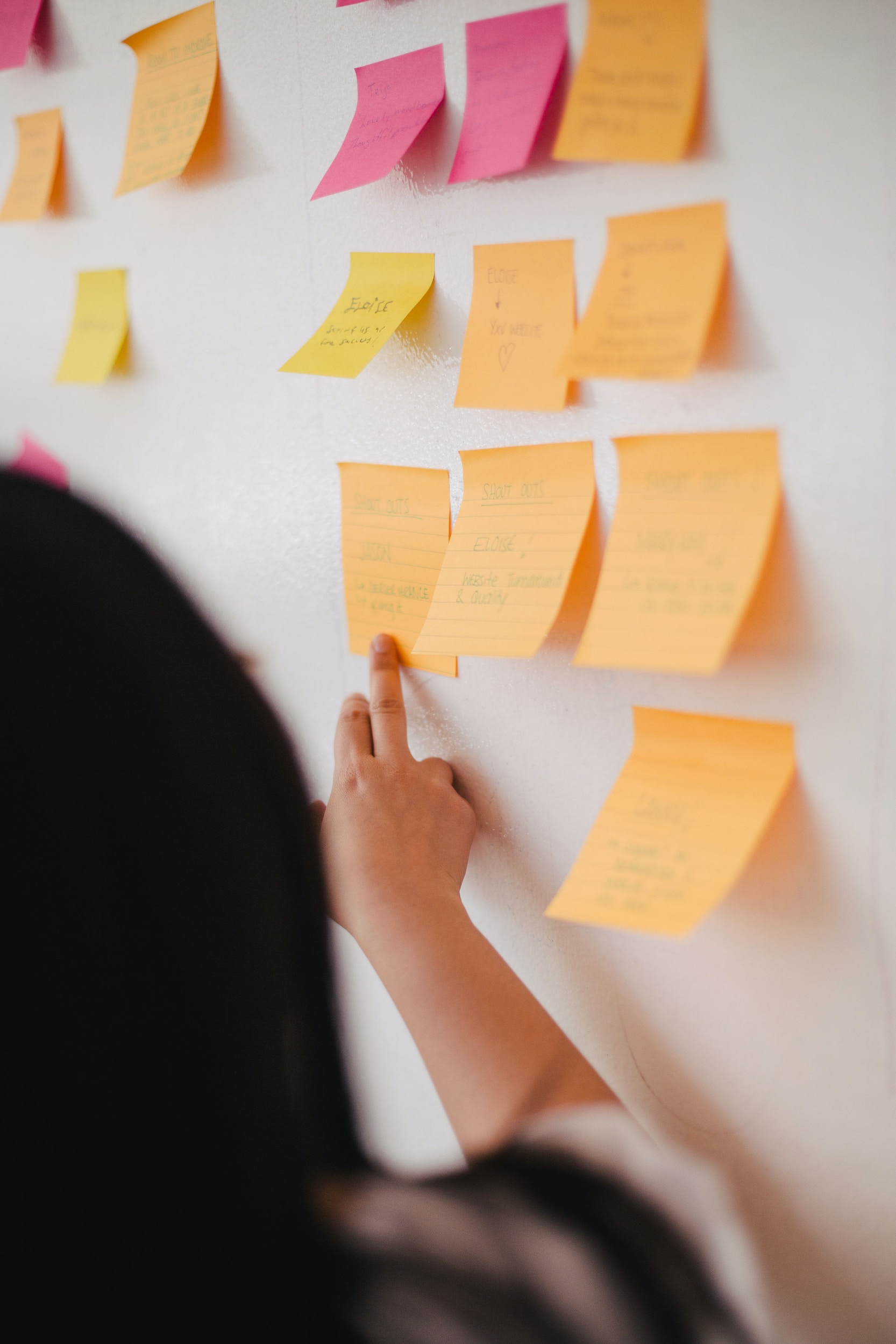
I lead interactive sessions to distill complex user requirements into prioritized, actionable insights. By facilitating collective brainstorming, card sorting, and dot voting, we ensure every stakeholder is heard and the team remains aligned on the most critical objectives.
3
Personas
Designing for people. The personas keep the human at the center of every architectural and visual decision. They empower teams to engage in healthy, productive debates rooted in empathy rather than individual bias.
4
Mapping Human Experience
I combine journey and empathy mapping into a single, cohesive artifact to visualize the user’s daily reality. This synthesis highlights emotional friction points and ensures every design decision is rooted in human truth.
5
Point of View
Align on a Single Point of View
Unify the team through a singular, high-impact point of view. Distilling the "who, why, and how" into one sentence ensures every stakeholder moves in the same direction.
6
Validation
Validation isn’t optional—it is inevitable
Validate problems and solutions directly with users to guarantee product success. This final check ensures the work resonates in the real world and delivers genuine value.
User Research
Converge Diverge Converge
My design process thrives on collective input followed by focused synthesis. Once aligned on the problem, we open the floor to ensure every viable solution is explored. The designer then distills this input into cohesive artifacts and prototypes, bringing the vision back to the group and to the customers for final validation and impact.

1
Design Approach
Free ideation
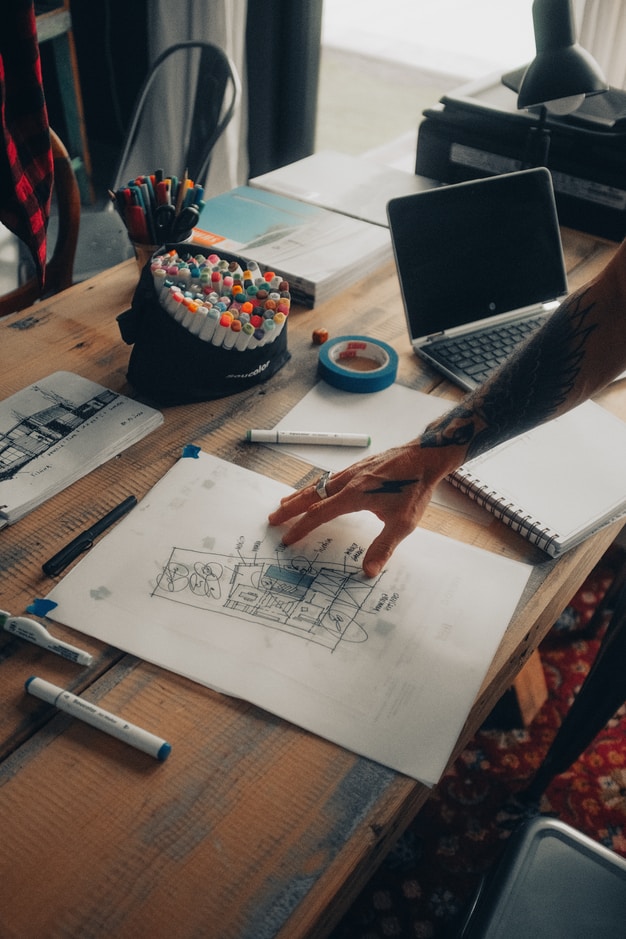
This is our most inclusive phase, where I challenge teams to ideate unburdened by constraints. By prioritizing forward-thinking concepts designed to delight the user, we push past the predictable first response to uncover the truly innovative solutions that only emerge when a team is encouraged to go further.
2
Design Approach
Iterate, iterate, iterate
Iteration is a stress test for our designs. Beyond just generating ideas, it serves as a method to surface the unpredictable nuances that usually only appear as we refine the interactions. By exploring and documenting multiple paths—including those that ultimately fail—the designer works through potential issues early, ensuring the final result is vetted and defensible.
3
Design Philosophy
Design for the bookends
The traditional 80/20 rule suggests we should design for the majority and accept that the remaining 20% of users don't matter—an approach I've never supported. Instead, I advocate for designing for the bookends: the novice and the expert.
By ensuring the novice can be immediately successful and the expert remains highly efficient, we inevitably create a product that supports everyone in between. This philosophy dictates a clear UI hierarchy: making essential actions obvious and discoverable while allowing sophisticated features to live in shortcuts, right-click menus, and deeper layers. This doesn't just include more users; it creates a natural path for every novice to grow into an expert without the interface ever holding them back.

4
Design Approach - Technique
Story telling
I mentor my teams to be master communicators, as our true medium is storytelling. Beyond creating prototypes, a designer’s job is to narrate the journey: what we observed, what we tested and discarded, and the insights that led to the final solution. Mastery of this narrative turns a presentation into a strategic alignment, ensuring the "why" behind our work is as clear as the "what."
5
Design Approach - Design Process
Validate
So many companies find out too late that what they built is not interesting or simply the wrong solution. Validation will happen one way or the other, and for this reason it makes the most sense to validate early and often. Early feedback and testing can give additional direction and clarity while it is early enough to make changes.

6
Design Process
The handoff
A successful handoff is a bridge, not a handoff. We provide a seamless transition by syncing our design system directly with the developer’s component library, ensuring every micro-interaction and asset is clearly defined. By providing QA with clear interaction maps and documentation, we keep the build honest and ensure the final product is as polished as the prototype.
7
Team and Project Health
The retrospect
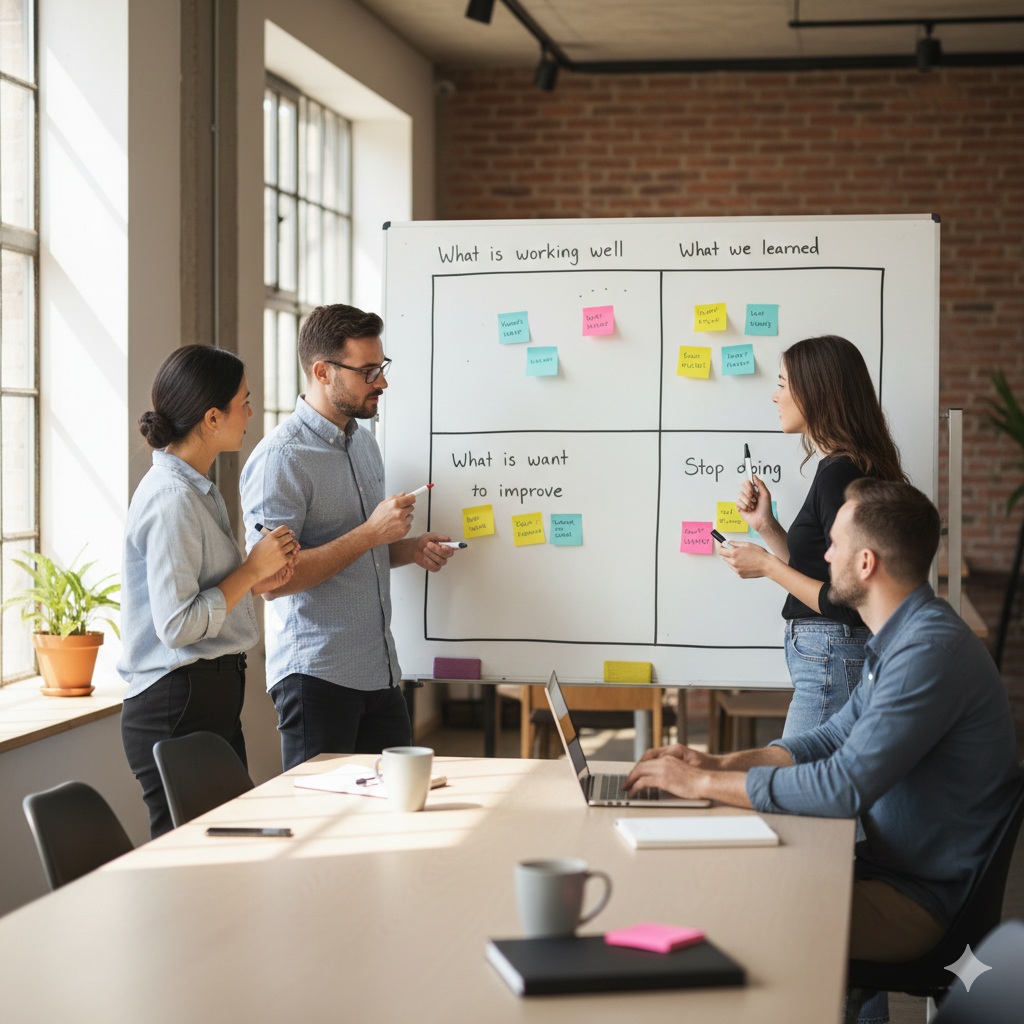
The retrospective is one of our most valuable tools for collective improvement. By candidly analyzing what we’re doing well alongside where we’ve fallen short, we transform every project into a learning opportunity. This isn't just a meeting; it’s a dedicated safe space to identify specific friction points and build a concrete plan to evolve our goals and our craft.